Japan Street Food $100 Challenge: Asakusa, Tokyo! A Delicious & Design-Savvy Adventure

Japan Street Food $100 Challenge: Asakusa, Tokyo! A Delicious & Design-Savvy Adventure
Hello, Konnichiwa, design devotees and food fanatics! Today, we're ditching the meticulously curated interiors (for a little while!) and diving headfirst into the vibrant chaos and deliciousness of Tokyo's street food scene. Specifically, we're taking on the $100 challenge in Asakusa, a district steeped in tradition and brimming with culinary delights. Think of it as a design scavenger hunt, but instead of scouting for hidden architectural gems, we're seeking out the most beautiful and satisfying bites, all while keeping our wallets happy.
Asakusa is the perfect place for this challenge. It's a historical district, dominated by the magnificent Senso-ji Temple, Tokyo's oldest temple. But beyond the incense and the iconic Kaminarimon gate, lies a labyrinth of streets packed with vendors hawking everything from savory snacks to sweet treats. It's a feast for the senses, a vibrant tapestry of sights, smells, and, most importantly, tastes.
So, grab your yen, put on your most comfortable shoes (you'll be doing a lot of walking!), and let's embark on this delicious adventure, where we'll explore the best Japanese street food in Tokyo – all within a budget that respects both our appetites and our bank accounts.
The $100 Street Food Strategy: More Than Just Eating

This isn't just about stuffing our faces (although, that's definitely a perk!). It's about experiencing Japanese culture through its food. It's about appreciating the presentation, the craftsmanship, and the dedication that goes into even the humblest street food offering. We'll be looking for the dishes that are not only delicious but also visually appealing – the ones that are a testament to Japanese design sensibilities, even in the most informal setting.
Here's our game plan to conquer the Asakusa street food scene:
- Budget Breakdown: We'll allocate our $100 (roughly ¥13,000, depending on the exchange rate) strategically. We'll aim for a mix of savory and sweet, light bites and more substantial meals.
- Location, Location, Location: We'll focus our culinary exploration primarily on Nakamise-dori, the street leading up to Senso-ji Temple, and the surrounding alleys. These areas are a hotbed of street food activity.
- Embrace the Visuals: Keep an eye out for aesthetically pleasing food stalls. Cleanliness, organization, and a visually appealing display are good indicators of quality and care. Think minimalist presentation meets maximum flavor.
- Ask the Locals: Don't be afraid to ask for recommendations! A simple "Oishii desu ka?" (Is it delicious?) can go a long way. A smile and a little Japanese will often get you the best recommendations.
- Share and Savor: Sharing dishes allows us to sample a wider variety of flavors without breaking the bank (or our stomachs!). Plus, it's more fun to experience the culinary delights with a friend!
Our Asakusa Street Food Itinerary: A Culinary Journey
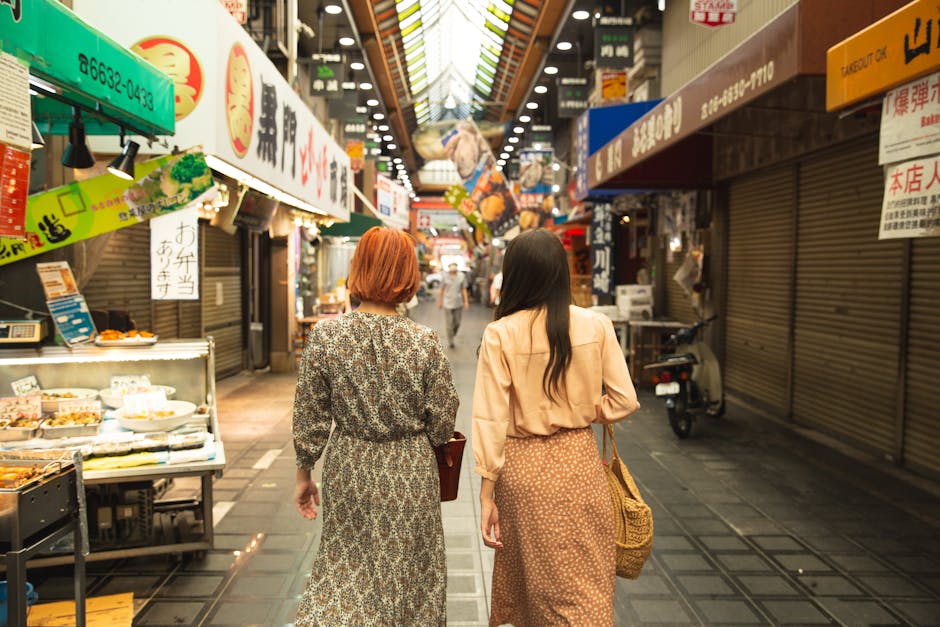
Now, let's dive into the specifics of our Asakusa street food adventure. Here's a glimpse of the deliciousness that awaits us:
1. The Classic Start: Age-Manju (Deep-Fried Manju) (¥200-¥300)
What better way to kick off our culinary journey than with a classic? Age-Manju are small, deep-fried buns filled with sweet red bean paste. They're warm, crispy on the outside, and soft on the inside – the perfect blend of textures.
Design Notes: Notice how the age-manju are often displayed – neatly arranged in rows, showcasing their golden-brown color. Some vendors even offer them in decorative boxes, elevating a simple snack into a beautiful presentation.
2. Savory Sensation: Senbei (Rice Crackers) (¥100-¥500)
Senbei are a staple of Japanese snacks. These crispy rice crackers come in a variety of flavors, from soy sauce and seaweed to sesame and chili. They're a satisfyingly crunchy and savory treat that's perfect for a quick bite while strolling through Nakamise-dori.
Design Notes: Pay attention to the different shapes and sizes of the senbei. Some are perfectly round, while others are intricately decorated with edible imagery. Look for the stalls that offer freshly grilled senbei for the ultimate sensory experience.
3. Refreshing Relief: Kakigori (Shaved Ice) (¥500-¥800)
Especially during the warmer months, kakigori is a must-try. This shaved ice dessert is incredibly light and fluffy, and it's topped with a variety of colorful syrups, condensed milk, and fresh fruit. It's the perfect way to cool down and refresh yourself after exploring the bustling streets of Asakusa.
Design Notes: The presentation of kakigori is an art form in itself. The shaved ice is meticulously sculpted into towering peaks, and the syrups are carefully drizzled to create a visually stunning masterpiece. Look for vendors who use natural ingredients and unique flavor combinations.
4. Octopus Temptation: Takoyaki (Octopus Balls) (¥500-¥700)
Takoyaki is a popular street food snack consisting of savory balls filled with diced octopus, tempura scraps, pickled ginger, and green onion. They're cooked in a special molded pan, giving them their distinctive round shape. They are then topped with takoyaki sauce, mayonnaise, dried seaweed flakes (aonori), and shaved bonito flakes (katsuobushi).
Design Notes: The cooking process itself is a mesmerizing display. Watching the vendor expertly flip the takoyaki balls in the pan is a visual delight. The final product is a beautiful balance of textures and flavors, served in a boat-shaped dish that is both functional and aesthetically pleasing.
5. Grilled Goodness: Yakitori (Grilled Chicken Skewers) (¥200-¥400 per skewer)
Yakitori is another Japanese staple, consisting of grilled chicken skewers seasoned with various sauces and spices. From classic soy sauce-glazed chicken to more adventurous options like chicken skin and chicken heart, there's a yakitori skewer for every palate.
Design Notes: The skewers themselves are meticulously arranged on the grill, creating a visually appealing display. The aroma of the grilling chicken is irresistible, and the finished product is a delicious and satisfying snack that's perfect for eating on the go.
6. Mochi Magic: Dango (Sweet Rice Dumplings) (¥300-¥500)
Dango are sweet rice dumplings that are typically served on a skewer. They come in a variety of flavors, from classic soy sauce-glazed dango to more unique options like matcha and sweet red bean paste. They're chewy, sweet, and utterly addictive.
Design Notes: Dango are often arranged in a visually appealing pattern on the skewer, creating a miniature work of art. The vibrant colors of the different flavors are a feast for the eyes. These are often served with careful attention to season – cherry blossom in the spring, for example.
7. Melopan Memories: Melon Pan (Melon Bread) (¥200-¥300)
Melon pan is a sweet bread covered in a thin layer of crispy cookie dough that resembles the rind of a melon. It's soft, fluffy, and delightfully sweet, making it the perfect treat for satisfying your sweet tooth.
Design Notes: The criss-cross pattern on the melon pan is a design classic. The slightly browned exterior gives it a rustic charm, and the sweet aroma is simply irresistible. It is often served in paper bags to showcase the baked beauty.
8. Seafood Surprise: Ikayaki (Grilled Squid) (¥500-¥800)
For a more adventurous culinary experience, try Ikayaki, grilled squid seasoned with soy sauce and other spices. The squid is grilled whole, giving it a slightly chewy texture and a smoky flavor.
Design Notes: Watching the vendor grill the squid is a captivating experience. The tentacles curl and dance in the heat, creating a mesmerizing spectacle. The finished product is served on a simple paper plate, allowing the natural beauty of the squid to shine.
9. Sweet Ending: Taiyaki (Fish-Shaped Cake) (¥200-¥300)
Taiyaki are fish-shaped cakes filled with sweet red bean paste, custard, or other fillings. They're warm, fluffy, and utterly adorable. They're the perfect way to end our street food adventure on a sweet note.
Design Notes: The fish shape is a design classic, representing good luck and prosperity. The taiyaki are often displayed in stacks, showcasing their golden-brown color and their whimsical design. They are perfectly shaped and designed for handheld consumption.
Budgeting for Beauty: Did We Succeed?

So, did we manage to conquer the Asakusa street food scene while staying within our $100 budget? Let's do the math:
Assuming average prices:
Age-Manju: ¥250 Senbei: ¥300 Kakigori: ¥650 Takoyaki: ¥600 Yakitori (2 skewers): ¥600 Dango: ¥400 Melon Pan: ¥250 Ikayaki: ¥650 Taiyaki: ¥250
Total: ¥3950. This allows for sampling various smaller dishes and exploring more deeply. Depending on how much you want to spend, you could increase this and include other, more expensive meals.
The answer is a resounding YES! We not only stayed within our budget, but we also experienced a wide variety of delicious and beautifully presented Japanese street food. We indulged in savory snacks, refreshing desserts, and everything in between. We explored the streets of Asakusa, immersing ourselves in the local culture and appreciating the design sensibilities that permeate even the most humble culinary offerings.
Beyond the Food: Design Inspiration in Asakusa

Our Asakusa adventure wasn't just about the food. It was also about soaking in the atmosphere and finding design inspiration in unexpected places. From the vibrant colors of the temple to the meticulous craftsmanship of the street food stalls, Asakusa is a treasure trove of design ideas.
Here are a few key takeaways:
- Minimalist Presentation: Even in a bustling street food environment, the Japanese emphasis on minimalist presentation shines through. Simple, clean displays highlight the beauty of the food.
- Attention to Detail: From the perfectly shaped taiyaki to the meticulously arranged yakitori skewers, every detail is carefully considered.
- Harmony with Nature: Natural ingredients and organic shapes are celebrated. Many vendors use wooden utensils and paper packaging, creating a sense of harmony with nature.
- Tradition and Innovation: Asakusa seamlessly blends tradition and innovation. While respecting time-honored recipes, vendors are also constantly experimenting with new flavors and presentation techniques.
Sayōnara for Now!

Our Asakusa street food challenge has come to an end, but the memories (and the delicious flavors!) will linger long after we've left. We hope this guide inspires you to embark on your own culinary adventure in Tokyo, exploring the vibrant street food scene with a designer's eye and a hungry stomach.
Remember, it's not just about the food itself, but also about the experience – the sights, the smells, the sounds, and the people. Embrace the chaos, savor the flavors, and let the design inspiration flow. Until next time, sayōnara and happy eating!
Post a Comment