Tas Haciendo Webazon? Unpacking the Latest Japanese Web Design Trends

Tas Haciendo Webazon? Unpacking the Latest Japanese Web Design Trends
Konnichiwa, style enthusiasts! It's your friendly neighborhood Japanophile, back again to delve into the fascinating world of Japanese aesthetics, this time focusing on the digital landscape. We're going to unravel the phrase "Tas haciendo webazon" (which, let's be honest, sparked my curiosity too!), and then plunge into the vibrant and ever-evolving world of Japanese web design trends. Get ready for a journey that blends traditional sensibilities with cutting-edge innovation, all with a touch of that unmistakable Japanese flair.
First things first, let's address the elephant in the room – or rather, the slightly perplexing phrase: "Tas haciendo webazon?" My Spanish might be a bit rusty, but I believe it loosely translates to "Are you doing web stuff?" or perhaps even "Are you creating a website?" While it might not be the most common expression, it serves as a perfect springboard to launch into our exploration of Japanese web design! So, let's imagine a friendly exchange: "Konnichiwa! Tas haciendo webazon?" (Hello! Are you working on a website?). "Hai! Let's explore some beautiful Japanese web design trends!" (Yes! Let's!).
A Delicate Dance: Japanese Aesthetics in the Digital Realm
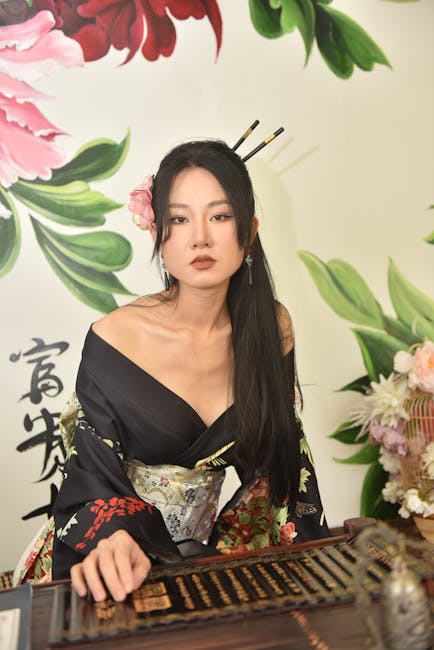
Japanese web design, much like its architecture, art, and fashion, is deeply rooted in its cultural values. Think of concepts like wabi-sabi (embracing imperfection and transience), ma (the importance of empty space), and shibui (understated elegance). These principles aren't just abstract ideas; they're actively woven into the fabric of Japanese websites, creating a unique and captivating user experience.
Unlike the often-cluttered and information-dense websites of the West, Japanese web design often prioritizes clarity, simplicity, and a sense of harmony. It's a delicate balance between functionality and aesthetics, where every element is carefully considered to create a visually appealing and easy-to-navigate digital space.
Trend Alert: What's Hot in Japanese Web Design Right Now?

Now, let's get down to the nitty-gritty. What are the current trends shaping the look and feel of Japanese websites? Here's a glimpse into the exciting world of digital design, seen through a Japanese lens:
- Embracing Minimalism: Less is truly more. Think clean lines, ample white space (ma!), and a focus on essential information. The goal is to avoid overwhelming the user and create a sense of calm and clarity. This is a direct reflection of the Japanese appreciation for simplicity and order.
- Bold Typography: Making a statement with characters. Typography plays a crucial role in Japanese web design. Expect to see the elegant use of both Japanese characters (Kanji, Hiragana, Katakana) and clean, modern Latin fonts. Bold and impactful typography is often used to draw attention to key messages and create visual hierarchy.
- Subtle Animations and Micro-Interactions: Adding a touch of magic. While Japanese design often embraces simplicity, it doesn't shy away from adding subtle animations and micro-interactions to enhance the user experience. These can range from smooth scrolling effects to playful cursor interactions, adding a layer of delight and engagement without being distracting. Think cherry blossom petals gently falling across the screen.
- Authentic Photography and Illustration: Capturing the essence of Japan. Stock photography rarely cuts it in the Japanese design world. Instead, authentic photography that showcases the beauty of Japanese landscapes, people, and culture is highly valued. Likewise, custom illustrations, often inspired by traditional Japanese art forms like Ukiyo-e, are used to add personality and visual interest.
- Color Palettes Inspired by Nature: Bringing the outdoors in. Japanese aesthetics are deeply connected to the natural world. Expect to see color palettes that draw inspiration from the landscapes of Japan, from the deep greens of bamboo forests to the soft pinks of cherry blossoms and the calming blues of the ocean. These colors evoke a sense of tranquility and harmony, reflecting the Japanese reverence for nature.
- The Art of Asymmetry: Finding beauty in imbalance. While balance is important, Japanese design often embraces asymmetry to create a more dynamic and visually engaging composition. This could involve placing elements off-center or using contrasting sizes and shapes to create visual interest. This reflects the wabi-sabi concept of finding beauty in imperfection.
- Storytelling Through Design: Weaving narratives with visuals. Japanese websites often use design to tell stories and create a deeper connection with the user. This could involve using a combination of imagery, typography, and animation to convey a brand's history, values, or mission. The emphasis is on creating an emotional connection with the audience.
Examples of Stunning Japanese Web Design

To truly appreciate these trends, let's take a look at some examples of Japanese websites that are pushing the boundaries of design and creating captivating user experiences:
- Muji (www.muji.com/jp/): A masterclass in minimalist design. Muji's website embodies the brand's philosophy of simplicity and functionality. Clean lines, ample white space, and a focus on product photography create a seamless and uncluttered browsing experience. The website perfectly reflects Muji's commitment to understated elegance.
- Nendo (www.nendo.jp/): The website of this renowned design studio is a testament to innovation and creativity. The website is clean, modern, and incredibly easy to navigate, despite its incredibly complex and diverse work.
- Issey Miyake (www.isseymiyake.com/): The website is as innovative and boundary-pushing as the clothes. The website beautifully integrates image and animation.
The Importance of User Experience (UX)

While aesthetics are undoubtedly important, Japanese web design also places a strong emphasis on user experience (UX). A website may look beautiful, but if it's difficult to navigate or use, it won't be successful. Japanese designers prioritize usability, accessibility, and intuitive interfaces to ensure that users have a positive and seamless experience. This is where the concept of omotenashi (Japanese hospitality) comes into play. Just as a host anticipates the needs of their guests, Japanese web designers strive to anticipate the needs of their users, creating a website that is not only visually appealing but also incredibly user-friendly.
Key aspects of Japanese UX design include:
- Clear Navigation: Websites are designed with clear and intuitive navigation menus, making it easy for users to find what they're looking for.
- Mobile-First Design: With the increasing use of mobile devices, Japanese web designers prioritize mobile-first design, ensuring that websites are optimized for smaller screens and touch interactions.
- Fast Loading Speeds: Japanese users expect websites to load quickly. Designers and developers work together to optimize websites for performance, ensuring that users don't have to wait long for pages to load.
- Accessibility: Japanese websites are increasingly designed with accessibility in mind, ensuring that they are usable by people with disabilities.
The Future of Japanese Web Design

So, what does the future hold for Japanese web design? As technology continues to evolve and new trends emerge, we can expect to see even more innovation and creativity in the digital landscape. Here are a few potential directions:
- Increased use of AI and Machine Learning: AI-powered chatbots and personalized experiences will likely become more prevalent, enhancing the user experience and providing more tailored content.
- Integration of Virtual and Augmented Reality: As VR and AR technologies become more mainstream, we may see Japanese websites experimenting with immersive experiences that blur the lines between the physical and digital worlds.
- Emphasis on Sustainability: With growing awareness of environmental issues, we can expect to see more Japanese websites adopting sustainable design practices, such as using eco-friendly hosting and optimizing websites for energy efficiency.
Japanese web design is a constantly evolving art form, one that beautifully blends traditional aesthetics with modern technology. Whether you're "tas haciendo webazon" or simply looking for inspiration, there's a lot to learn from the Japanese approach to digital design. It's about creating experiences that are not only visually stunning but also functional, user-friendly, and deeply connected to the cultural values of Japan. So, next time you're browsing the web, take a moment to appreciate the beauty and innovation of Japanese web design. You might just find yourself inspired to create something truly special.
Arigato gozaimasu for joining me on this exploration! Until next time, keep exploring, keep creating, and keep appreciating the beauty that surrounds us, both online and off. Sayonara!
Post a Comment